
The cause of a motorcycle accident matters. It can affect who is legally responsible, what evidence needs to be preserved, how insurance companies evaluate the claim, and what compensation may be available. In Oregon, motorcycle crashes often involve driver inattention, unsafe lane changes, speeding, road hazards, low visibility, impaired driving, or a mix of several factors. This article explains the common causes of motorcycle accidents, how those causes can affect liability, and what injured riders should do after a crash.
Also Read: Oregon Motorcycle Laws Who Should Know
If you were hurt in a motorcycle crash in Portland or elsewhere in Oregon, the right next step is not just asking what happened. It is asking why it happened, who had a duty to prevent it, and what proof can still be collected. Aldrich & Brunot, LLC can help injured riders understand the claim process, deal with insurance issues, and protect evidence before it disappears.
Common Causes of Motorcycle Accidents
Motorcycle accidents usually happen because someone failed to notice a rider, failed to follow traffic rules, or failed to respond safely to road conditions. Understanding the cause is important for safety, but it is also important for an injury claim. The cause helps determine whether another driver, a vehicle owner, a maintenance company, a public agency, or another party may be responsible.
Driver Error
One of the most common causes of motorcycle accidents is driver error. This can include failing to yield, turning left in front of a rider, following too closely, unsafe lane changes, speeding, or distracted driving. In many motorcycle claims, the driver says they “did not see” the rider. That explanation does not automatically excuse the driver. Drivers still have a duty to watch for motorcycles, check blind spots, and keep a safe distance.
Road Hazards and Weather Conditions
Sometimes, motorcycle accidents happen because of hazards outside the rider’s control. Potholes, loose gravel, oil slicks, debris, uneven pavement, missing signs, and poor drainage can cause a rider to lose control. Rain, snow, ice, fog, and glare can also make riding more dangerous. These cases may require a closer look at road design, maintenance records, construction activity, or whether another party created the hazard.
Mechanical Failures
Mechanical failures are another cause of motorcycle accidents. These can include brake failure, tire blowouts, steering problems, lighting defects, or engine malfunctions. Regular maintenance can reduce risk, but a crash may also raise questions about defective parts, poor repair work, or whether another person failed to maintain the motorcycle safely.
Speeding and Reckless Driving
Excessive speed and reckless driving can make a motorcycle crash more likely and more severe. Speed can reduce reaction time, increase stopping distance, and make it harder for drivers to judge a rider’s position. In an injury claim, speed may also become part of the fault dispute. Insurance companies often look for ways to blame the rider, so evidence such as crash photos, skid marks, vehicle damage, witness statements, and police reports can matter.
Lane Splitting and Filtering
Lane splitting and filtering can also lead to motorcycle accidents, especially when nearby drivers do not expect a motorcycle to pass between lanes. In Oregon, Team Oregon explains that a motorcycle may share a lane only with one other motorcycle, and lane sharing, lane splitting, or filtering with any other vehicle is illegal. If a crash involves lane position, traffic congestion, or passing between vehicles, fault may depend on the exact movement of each vehicle and the available evidence.
Motorcycle accidents can be caused by a single mistake or by several overlapping factors. For an injured rider, the key is to document what happened before evidence fades. Photos, video, witness names, helmet and gear damage, vehicle damage, and medical records can all help show how the crash happened and why it caused harm.
How the Cause of a Motorcycle Accident Affects Liability in Oregon
The cause of the crash affects the legal claim. If another driver failed to yield, changed lanes without checking a blind spot, followed too closely, or drove distracted, that driver may be responsible for the rider’s injuries. If a dangerous road condition contributed to the crash, the claim may require a closer look at who controlled or maintained that stretch of road. If a defective part failed, the motorcycle, part, or repair history may need to be reviewed.
Oregon uses comparative fault in many injury cases. That means the insurance company may argue that the rider shares part of the blame. The practical issue is not only whether the rider made a mistake, but how much each person’s conduct contributed to the crash. A careful investigation can help push back against unfair blame and connect the accident cause to the rider’s medical bills, lost income, pain, and long-term effects.
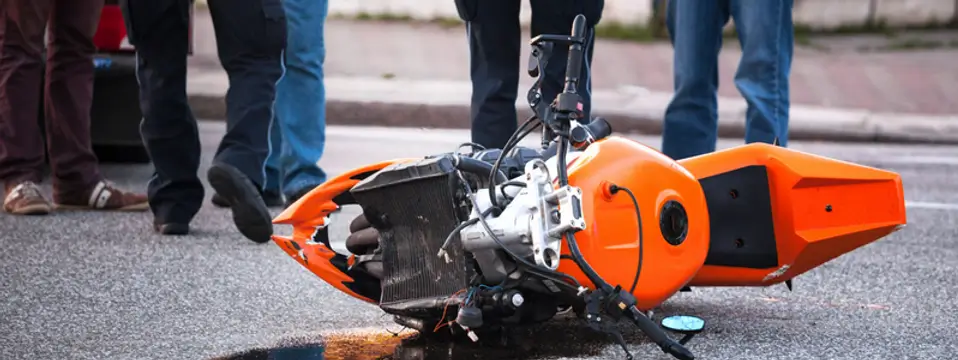
The Role of Human Factors in Motorcycle Accidents
Human factors are often central to motorcycle accidents. These include choices made by the rider, choices made by other drivers, and split-second reactions during traffic. From a claim standpoint, these details matter because they help show whether someone failed to act with reasonable care.
Inexperience and Lack of Training
Riding a motorcycle requires different skills than driving a car. Inexperience can make it harder to brake safely, take curves, avoid debris, or respond when another driver makes a sudden move. Training can reduce risk, but lack of training should not be used as a blanket excuse to blame the rider when another driver caused the crash.
Need Training? Motorcycle rider classes
Impaired Riding
Impairment can affect judgment, balance, reaction time, and coordination. Impaired riding is dangerous, but impairment by another driver is also a major risk for motorcyclists. If a crash involved alcohol, drugs, or medication, police reports, toxicology information, witness accounts, and driver behavior before impact may become important evidence.
Distractions and Inattention
Distraction is a common issue in motorcycle crashes. A driver who is texting, using a navigation app, eating, adjusting the radio, or looking away from traffic may miss a rider entirely. Phone records, vehicle data, witness statements, and traffic-camera footage can help show whether distraction played a role.
Aggressive Riding and Road Rage
Aggressive driving and road rage can be especially dangerous for motorcyclists. Tailgating, cutting off a rider, brake-checking, crowding a lane, or trying to intimidate a motorcycle can cause serious injuries. If road rage appears to be involved, it is important to identify witnesses and preserve any dashcam or surveillance video quickly.
Human factors can determine both how a motorcycle crash happened and how an insurance company evaluates the claim. A rider should not assume that the first version of the story is final. The physical evidence, medical records, and witness accounts may tell a different story than the other driver’s explanation.

Environmental Factors Contributing to Motorcycle Accidents
Environmental factors can turn a routine ride into a serious crash. Because motorcycles have less protection than passenger vehicles, hazards that might be minor for a car can be life-changing for a rider.
Poor Road Design and Maintenance
Motorcycle riders are especially vulnerable to poor road design and maintenance. Potholes, broken pavement, missing signs, unsafe construction zones, loose gravel, and poor lighting can all lead to crashes. These cases may require photos of the road condition, reports of prior complaints, maintenance records, or information about recent road work.
Insufficient Lighting and Visibility
Visibility is crucial to safe motorcycle riding. Low light, fog, rain, glare, overgrown landscaping, parked vehicles, and poor intersection design can make it harder for drivers to see a motorcycle. In a claim, visibility issues should be documented with scene photos, time-of-day details, weather information, and witness statements.
Wildlife and Other Roadway Obstructions
Wildlife and other roadway obstructions can also cause crashes. A deer crossing the road, fallen branches, spilled cargo, construction debris, or objects dropped from another vehicle may force a rider to swerve or brake suddenly. When debris or another vehicle is involved, identifying the source of the obstruction can be important.
Environmental factors should be documented as soon as possible. Road conditions can be repaired, debris can be removed, weather can change, and surveillance footage can be overwritten. If a dangerous condition contributed to the crash, quick investigation can make a major difference.
What to Do After a Motorcycle Accident in Oregon
- Get medical care right away. Some injuries, including concussions, internal injuries, and soft-tissue injuries, may not feel severe at first.
- Call police and request a report. A police report can help document the crash location, drivers involved, insurance information, citations, and initial witness details.
- Photograph the scene. Capture vehicle positions, road hazards, skid marks, debris, traffic signs, weather conditions, bike damage, helmet damage, and visible injuries.
- Collect witness information. Names, phone numbers, and short notes about what each witness saw can help later if the other driver changes their story.
- Preserve your motorcycle and riding gear. Do not repair or discard the bike, helmet, jacket, boots, gloves, or damaged parts before they can be documented.
- Be careful with insurance statements. Avoid recorded statements or quick settlement offers until you understand your injuries, lost income, and legal options.
If you need help sorting out fault, insurance calls, medical bills, or next steps after a motorcycle crash, Aldrich & Brunot, LLC can review the situation and explain the path forward in plain English.
Motorcycle Accident FAQs
How can I determine liability in a motorcycle accident case?
Determining liability requires a careful review of what caused the crash. Useful evidence may include witness statements, police reports, photos, video footage, vehicle damage, road conditions, medical records, and expert analysis. An attorney can help identify who may be responsible and what evidence needs to be preserved.
Can I still file a claim if I was partly at fault for the motorcycle accident?
Possibly. Oregon uses comparative fault, so your share of fault can affect how much compensation you may recover. Insurance companies may try to place too much blame on the rider, which is why crash evidence and a clear liability investigation matter.
How can I prove another driver was negligent?
To prove negligence, you generally need to show that another person had a duty to drive safely, failed to meet that duty, caused the crash, and caused actual harm. Evidence may include accident reports, witness statements, photographs, video footage, cell phone evidence, vehicle data, and medical documentation.
Can I seek compensation for pain and suffering after a motorcycle accident?
Yes, depending on the facts of the case. Compensation may include medical bills, lost income, reduced earning capacity, pain and suffering, emotional distress, loss of enjoyment of life, and other harms caused by the crash.
Should I give a recorded statement to the insurance company?
Be cautious. Insurance adjusters may ask questions in a way that minimizes the driver’s fault, your injuries, or the value of the claim. Before giving a recorded statement or accepting a quick settlement, consider speaking with an attorney.
What if my injuries showed up days after the motorcycle crash?
Delayed symptoms are common after crashes. Pain, dizziness, headaches, numbness, stiffness, and soft-tissue injuries may become clearer after the adrenaline fades. Get medical care and tell the provider when and how the crash happened.
Who should I call if I need an attorney?
Give Aldrich & Brunot, LLC a call. Spencer Aldrich can help guide you through the process, explain the insurance issues, and help you understand your options after a motorcycle accident.
This article provides general information. For advice about your particular circumstances, consult an attorney.