
Introduction
When workplace injuries happen, the road to recovery often extends far beyond initial emergency care. Broken bones need strengthening, repetitive stress injuries require rehabilitation, and back strains demand gradual improvement to restore full mobility. For many injured workers, physical therapy is one of the most important parts of recovery.
But will workers’ compensation cover the cost? The answer is yes, with conditions. Oregon’s workers’ compensation laws provide coverage for necessary medical care, including physical therapy. However, the rules governing how much therapy you can receive and for how long can be complex.
This guide explains everything employees need to know about workers’ comp physical therapy coverage, including Oregon-specific rules, common challenges, and steps to protect your right to treatment. For additional resources on workplace injury rights, you can visit our Oregon Work Injury Attorney page.
TL;DR
Workers’ comp in Oregon typically covers physical therapy if it’s medically necessary for your recovery. While coverage exists, insurers may limit or deny sessions knowing your rights and when to seek legal help ensures access to the care you need.
Why Physical Therapy Matters After a Workplace Injury
Physical therapy (PT) isn’t just a luxury it’s often a necessity for injured workers to regain their independence and return to work. Some key benefits include:
- Restoring Strength and Mobility: PT helps rebuild muscle, restore range of motion, and reduce stiffness after injuries.
- Preventing Long-Term Damage: Without proper rehabilitation, injuries may heal improperly, leading to chronic pain or permanent limitations.
- Reducing Pain Without Medication: Many employees prefer PT over relying solely on prescription drugs, especially opioids.
- Helping Workers Return to the Job Sooner: Faster recovery means employees can rejoin the workforce, benefiting both worker and employer.
Common workplace injuries requiring PT include repetitive motion injuries, falls, lifting accidents, and equipment-related injuries.

Does Workers’ Comp Cover Physical Therapy?
Yes, workers’ comp typically includes physical therapy as part of covered medical treatment. The key factor is whether PT is deemed “medically necessary” for your recovery. If your treating physician prescribes PT, it should generally be included under your workers’ compensation benefits.
However, insurers often impose:
- Session Limits: A set number of PT visits before requiring further approval.
- Treatment Timelines: Coverage may stop after a certain period, even if you still need care.
- Provider Restrictions: Some insurers require you to use approved therapists.
This means that while coverage exists, getting enough therapy to fully recover can sometimes be a battle.
Workers’ Comp Physical Therapy Coverage in Oregon
In Oregon, the workers’ compensation system has specific rules for physical therapy. Here’s what employees should know:
- Coverage is Based on Medical Necessity: If your doctor prescribes PT as part of your treatment plan, it is generally covered.
- Approval Process: Insurance carriers must authorize ongoing sessions after the initial treatment period.
- Typical Number of Sessions: While there’s no universal cap, insurers often approve an initial set of visits (e.g., 12–24) before requiring justification for additional sessions.
- Specialist Referrals: In some cases, a specialist’s recommendation is required to extend PT beyond the standard allowance.
- Focus on Recovery: Oregon law encourages rehabilitation and return-to-work programs, so PT is usually supported if it helps you return to your job.
Understanding these Oregon-specific rules helps workers manage expectations and prepare for potential disputes with insurers.

The Process of Getting PT Approved Through Workers’ Comp
To ensure coverage for physical therapy, employees should follow these steps:
- Report Your Injury Promptly: Notify your employer right away so your claim is on record.
- Seek Medical Care: Visit your doctor and explain your symptoms. Make sure they document the injury as work-related.
- Obtain a Prescription for PT: Your treating physician must officially recommend physical therapy as part of your treatment plan.
- Submit Documentation to Insurer: The doctor’s notes and PT prescription will be reviewed by the workers’ comp insurance carrier.
- Await Approval: Initial sessions are often approved quickly, but extensions require justification.
Clear communication between your doctor, physical therapist, employer, and insurer is crucial to avoid delays.
Common Issues Employees Face with PT Coverage
Even though Oregon law supports PT as part of workers’ comp, many employees still encounter challenges:
- Denied Sessions: Insurers may claim PT is unnecessary or excessive.
- Limited Visits: Workers may receive approval for fewer sessions than recommended.
- Interrupted Treatment: Gaps in approval can disrupt progress and slow recovery.
- Provider Limitations: Some employees are forced to see therapists within insurer networks, even if they prefer another provider.
- Disputes Over Progress: Insurers sometimes stop paying if they believe you’re not improving quickly enough.
These hurdles can make recovery more stressful, especially when employees are already dealing with pain and missed work.
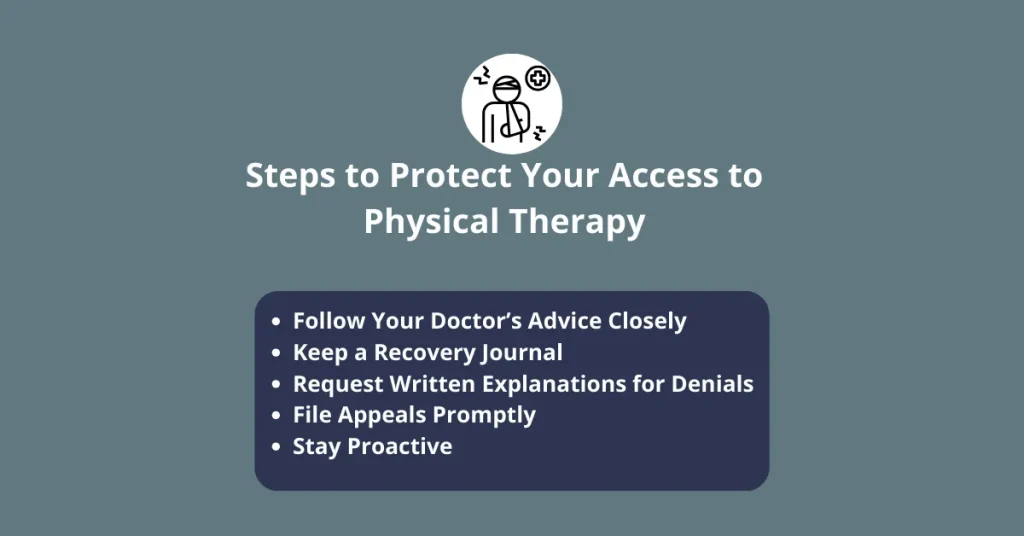
Steps to Protect Your Access to Physical Therapy
To maximize your chances of receiving full coverage for physical therapy, consider these strategies:
- Follow Your Doctor’s Advice Closely: Stick to the prescribed treatment plan so there’s a clear medical record of compliance.
- Keep a Recovery Journal: Document your pain levels, limitations, and progress after each session. This provides evidence of ongoing need.
- Request Written Explanations for Denials: If coverage is denied, ask for the reasons in writing. This strengthens your appeal.
- File Appeals Promptly: Oregon law allows employees to challenge denials. Don’t delay deadlines are strict.
Stay Proactive: If you anticipate needing extended PT, ask your doctor to submit documentation before the insurer cuts off coverage.
When Legal Support Becomes Necessary
Sometimes, even diligent workers doing everything right face resistance from insurers. This is when legal guidance can make all the difference. A workers’ comp attorney can:
- Challenge denials and ensure compliance with Oregon law.
- Provide medical experts to validate the necessity of PT.
- Represent you during hearings or appeals.
- Help secure retroactive payments for sessions you paid out of pocket.
In many cases, having an attorney involved encourages insurers to take claims more seriously, leading to faster approvals and fairer settlements.
Conclusion
Physical therapy is often the bridge between injury and full recovery, but accessing it through workers’ comp isn’t always straightforward. While Oregon law generally supports workers’ comp physical therapy coverage, insurers may limit or deny sessions.
By understanding the process, documenting your progress, and knowing when to seek legal assistance, you can better protect your right to this essential treatment. For additional resources on navigating Oregon’s workers’ compensation system, visit our Oregon Work Injury Attorney page.
Get Help Today
Injured construction workers in Oregon don’t have to go it alone. Whether your injury was caused by a fall, equipment failure, or site hazard, we’re here to guide you through every step of your claim.
FAQ
Does workers’ comp always cover physical therapy in Oregon?
Yes, but coverage depends on whether your doctor considers PT medically necessary. Insurers may limit or question the number of sessions.
How many physical therapy sessions can I get through workers’ comp?
There’s no fixed statewide cap, but insurers often approve an initial block of sessions and then require additional justification for continued therapy.
What happens if my PT sessions are denied?
You can appeal the denial. Supporting documentation from your doctor or therapist is essential in these cases.
Can I choose my own physical therapist?
Sometimes. While Oregon law allows some choice, insurers may require you to use providers within their approved network.
Do I need a lawyer to fight for PT coverage under workers’ comp?
Not always, but if your sessions are repeatedly denied or restricted, a workers’ comp attorney can help secure the treatment you need.

About Spencer Aldrich
Spencer Aldrich is a founding attorney at Aldrich & Brunot, LLC, where he focuses exclusively on representing injured workers across Oregon. He began his legal career working for a major insurance company, giving him firsthand insight into how insurers approach workers’ compensation cases. Since 2017, Spencer has been on the side of the workers using that knowledge to advocate for fair treatment and full benefits. He’s known for his clear communication, strategic thinking, and commitment to helping clients navigate one of the most stressful times in their lives.
Aldrich & Brunot, LLC
22 NW 23rd Place, Suite 203
Portland, OR 97210
(503) 536-1737
This article provides general information. For advice about your particular circumstances, consult an attorney.